Stepping into a real operating room for the first time is a powerful moment for every surgical technologist in training. The lights, the precision, the teamwork, and the life-changing procedures all come together to create one of the most intense and meaningful environments in healthcare. Whether you're assisting with a routine procedure or supporting a surgeon through a complex, high-stakes operation, your skills, confidence, and preparation matter. This is why the quality of your training program is so crucial.
Modern surgical tech programs are designed to build more than just technical skills. They help you develop focus, readiness, discipline, adaptability, and the ability to collaborate as part of a highly organized surgical team. From simulated procedures and sterile technique training to intense clinical rotations, students learn to function under pressure while supporting surgeons and protecting patient safety. Below, we’ll explore five key ways surgical tech programs prepare learners to step confidently into the operating room and thrive in a challenging, fast-paced healthcare career.

1. Hands-On Simulations Build Real-World Skill and Confidence
One of the most valuable components of surgical tech training is hands-on simulation. These labs mimic the operating room environment and allow students to practice essential tasks long before they ever work on a real patient.
During simulation labs, students learn to:
- Properly set up surgical instruments and equipment
- Anticipate surgeon needs during a procedure
- Execute the sequence of steps during surgical procedures
- Practice suturing, sterile gowning, and draping
- Handle instruments safely and efficiently
These simulated environments are designed to replicate the same conditions, constraints, and high expectations you'll face in a real operating room. You’ll learn how to move with intention, maintain sterile technique, organize instruments, and stay ahead of the surgical team’s needs—skills that require practice and muscle memory.
Simulations also help learners build communication confidence. Speaking clearly, responding quickly, and using precise language are critical in the OR, and structured practice helps students develop a professional presence. By the time learners begin clinical practice, they have not only rehearsed key techniques—they’ve also built the confidence to function effectively in an intense medical setting.
2. Sterile Technique and Infection Control Become Second Nature
Maintaining a sterile surgical environment is one of the most important responsibilities a surgical tech carries. Surgical procedures leave patients vulnerable to infection, and even a small lapse can have serious consequences. Surgical tech programs dedicate a large portion of training to mastering sterile technique and infection control protocols, including:
- Correct hand-scrubbing and gloving methods
- Establishing and maintaining sterile fields
- Identifying and addressing breaks in sterility
- Understanding the chain of infection
- Proper instrument sterilization and equipment handling
In the OR, surgical technologists serve as protectors of sterility. They are trained to quickly spot contamination risks and intervene immediately. This means being able to anticipate possible breaks in sterility before they occur, correct errors without hesitation, and communicate confidently with surgeons and nurses to ensure patient safety.
By reinforcing these practices repeatedly—from classrooms to labs to clinical placements—students develop a heightened awareness of their environment. Sterile practice becomes second nature, allowing graduates to uphold the highest standards of patient care from day one.
3. Clinical Rotations Provide Real OR Experience
While classroom learning and simulation labs build foundational knowledge, clinical rotations are where surgical tech students experience real surgeries and real teamwork. Under supervision in hospitals or outpatient surgical centers, learners apply what they’ve practiced in controlled environments.
During clinical rotations, students:
- Assist in live surgeries under professional guidance
- Work alongside surgeons, nurses, anesthesiologists, and other specialists
- Prepare and organize surgical instruments and trays
- Practice maintaining sterility throughout procedures
- React to real-time changes and surgical needs
This training helps students understand the rhythm and pace of the OR—something that cannot be fully replicated in a classroom. They become familiar with real surgical schedules, turnover times, and the variety of procedures performed daily. Exposure to different surgical specialties—orthopedics, general surgery, OB/GYN, cardiovascular procedures, and more—allows learners to build broad experience and see where they may want to specialize.
Just as importantly, clinical work sharpens emotional resilience. Learners experience the stress, teamwork, and urgency of real surgeries. They manage nerves, build stamina, and learn to stay calm and professional in intense moments. By the end of their program, they have transformed from students into professionals capable of handling the realities of patient care.
4. Training Emphasizes OR Teamwork and Communication
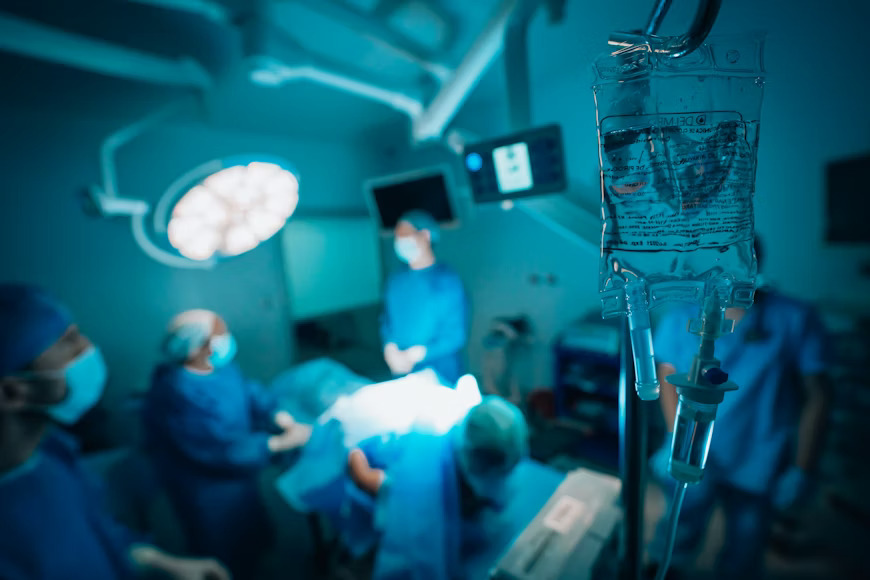
A surgical technologist is never working alone. The operating room is a highly collaborative environment that depends on synchronized teamwork and clear communication. Surgical tech programs deliberately train students to work seamlessly alongside surgeons, nurses, anesthesiologists, and support staff.
Communication practice includes:
- Learning medical and procedural terminology
- Responding clearly and quickly to instructions
- Observing body language and anticipating needs
- Managing fast-paced verbal exchanges
- Maintaining professionalism—even under stress
Programs also help learners understand OR roles and hierarchy. Surgical techs must know when to speak, when to act, and how to support surgeons without interrupting the flow of care. They also learn conflict-resolution skills and how to handle pressure while staying supportive, respectful, and focused on the patient.
Prepare for the NRST exam with hands-on learning, mentorship, and real-world practice through Health Tech Academy’s Surgical Tech Bootcamp.
Professionalism is a core part of this teamwork training. Surgical technologists must be punctual, reliable, adaptable, and able to handle sensitive medical situations. Programs instill habits of discipline, ethical behavior, and attention to detail that align with real OR expectations. When students graduate, they are prepared not only to perform tasks, but to contribute meaningfully to a surgical team.
5. Programs Train Students to Stay Focused and Adapt Under Pressure
Surgery is unpredictable. Even routine cases can shift quickly, and surgical teams must respond calmly and efficiently. Surgical tech programs prepare students to handle the unexpected by building decision-making skills, focus, and mental resilience.
Key behaviors students learn include:
- Staying alert during long or complex procedures
- Managing stress and maintaining composure
- Staying flexible when plans change quickly
- Problem-solving in real time
- Assisting immediately in urgent or emergency situations
Whether it’s managing instrument delays, addressing a break in sterility, responding to a surgeon’s sudden request, or helping during an unplanned complication, surgical technologists must react quickly. Training programs help students develop this confidence by creating learning situations that require real-time decision-making, quick thinking, and situational awareness.
Students also practice prioritization—balancing tasks, monitoring equipment, preparing supplies, and staying one step ahead. With repetition and experience, students learn to trust their training and operate with precision even in high-pressure moments. This mindset is critical to delivering safe, effective care in the OR.
Final Thoughts
Surgical technology is a rewarding and impactful career for professionals who thrive in fast-paced, hands-on, patient-centered environments, especially if you want to become a vocal leader. The operating room relies on teamwork, discipline, and technical expertise, and surgical tech programs are designed to help learners develop these abilities with confidence.
Between simulation labs, trend study, sterile technique training, clinical rotation experience, professional communication practice, and real-world pressure-based learning, students graduate ready to support surgeons and patients with skill and professionalism. With the right training environment and guidance, aspiring surgical technologists can step into the OR empowered and prepared to make a meaningful difference in patient care.
Start Your Surgical Tech Journey with Health Tech Academy
If you're ready to join one of the most exciting and essential roles in healthcare, Health Tech Academy can help you get there. As a premier online healthcare bootcamp provider, Health Tech Academy offers high-quality training programs taught by expert instructors, including a comprehensive Surgical Tech bootcamp designed to prepare you for real-world success in the operating room. With hands-on skill development, exam prep, flexible online learning, and clinical experience support, we help students pass their exams with confidence and competence to launch meaningful healthcare careers.
Explore our allied health programs—including Surgical Tech, Medical Assistant, Patient Care Technician, and more—and start your path toward a rewarding future in surgical technology today.